
Why Fashion, Fantasy, and Culture Are Falling Back in Love With Darkness

For years, minimalism dominated culture with almost religious severity.
White walls. Beige wardrobes. Sans-serif branding. Skincare packaged like laboratory equipment. Entire apartments designed to look emotionally unavailable. The 2010s and early 2020s became obsessed with optimization — not only of productivity, but of aesthetics themselves. Everything was flattened into neutrality. Cleanliness became aspirational. Personality became risk.
And then, quietly, culture began color shadows again.
In 2026, gothic romanticism is no longer confined to niche subcultures or Halloween mood boards. It has returned to the center of fashion, publishing, film, and online identity with startling force. But this revival does not resemble the hyper-commercial “mall goth” aesthetics of the late 2000s, nor the Tumblr-era fixation on performative darkness. The modern gothic is softer, stranger, more emotionally intelligent. Less costume. More atmosphere...and way more yearning.

It is not simply about wearing black.
It is about longing for texture in an increasingly flattened world.
Across recent runway collections, fashion houses have leaned into silhouettes that feel haunted, romantic, and historically untethered. Lace, corsetry, distressed tailoring, dramatic outerwear, ecclesiastical jewelry, and poetic layering have re-emerged with conviction. Even the ongoing bohemian renaissance — visible in the romantic, lace-heavy styling surrounding figures like Bella Hadid — carries traces of something moodier beneath its softness.

At the same time, fashion publications and designers have increasingly embraced terms like “poetcore,” “dark romance,” and “vampire aesthetics,” signaling a broader cultural shift away from hyper-polished perfection and toward emotional storytelling through clothing.
Importantly, this resurgence is not occurring in isolation.
Publishing has entered its own gothic renaissance simultaneously. The explosive rise of romantasy, particularly through BookTok, has reshaped not only bestseller lists but the visual language of books themselves. Jewel-toned covers, foiled typeography, thorned motifs, celestial iconography, velvet textures, dragons, blood, castles, and morally complicated love interests now dominate bookstore displays. Fourth Wing becoming a mainstream adaptation event is not an anomaly. It is evidence of a larger appetite for immersive emotional worlds.
Audiences are no longer merely purchasing stories.
They are collecting atmospheres.
This helps explain why physical books themselves have transformed into luxury objects again. Readers increasingly desire sprayed edges, foil stamping, illustrated endpapers, collector editions, and curated shelves that function almost like personal altars. The book is no longer only a text, it doubles as interior design and an artifact of one's personality.

And nowhere is this shift more visible than in the renewed obsession with vampires.
For decades, vampires have acted as cultural mirrors, reflecting whatever anxieties and desires dominate a generation. In moments of societal instability, gothic fiction historically resurfaces because it externalizes fears too abstract to name directly. Recent critical discussions surrounding the success of projects like Interview with the Vampire and the renewed fascination with Nosferatu and Dracula: A Love Tale suggest audiences are once again drawn toward stories about hunger, immortality, excess, intimacy, decay, and transformation.
But perhaps what makes the modern gothic distinct from previous revivals is that today’s audiences do not simply want horror.
They want beauty coexisting with horror. They want romance threaded through ruin. They want softness surviving inside the collapse.
This emotional contradiction defines much of modern internet culture itself. The rise of darkly romantic interiors, candlelit reading vlogs, orchestral fantasy playlists, antique-inspired fashion, handwritten journaling, medieval imagery, and even a return to things analog all point toward a collective desire for emotional richness in an era increasingly dominated by digital sterility.

Even online identity has become more gothic.
Creators now build immersive personal mythologies around themselves rather than simply maintaining social media profiles. Their apartments resemble fictional worlds. Their playlists feel cinematic. Their wardrobes become narrative devices. Audiences increasingly gravitate toward creators who offer atmosphere rather than pure accessibility.
This is why the modern gothic feels less like a trend and more like a response to the problems present in the current world.
And...a response to a culture that spent years insisting emotional restraint was sophistication.
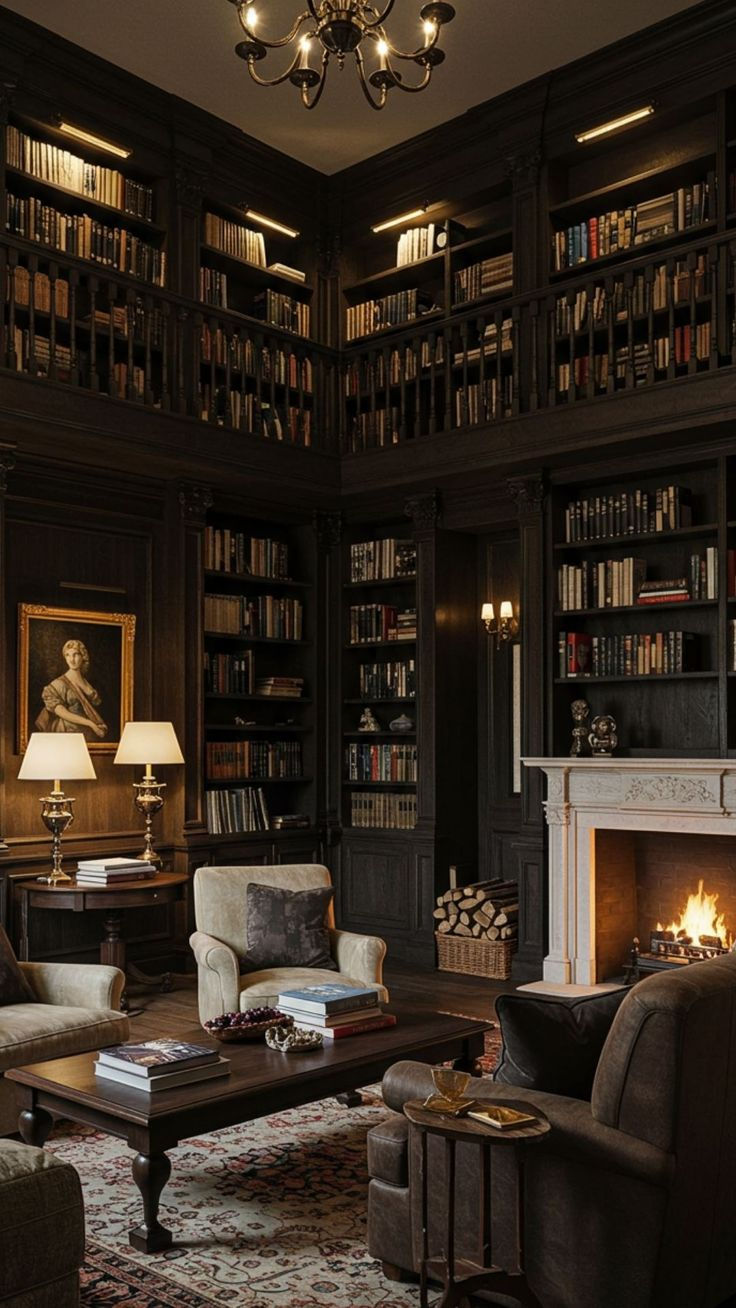
The gothic has always emerged during periods of transition because it thrives in contradiction. It romanticizes beauty while acknowledging decay. It finds tenderness inside monstrosity. It insists that yearning itself is meaningful.
And perhaps that is exactly why it resonates so deeply right now.
Modern audiences are exhausted by ironic detachment. They are tired of aesthetics with no emotional core beneath them. Increasingly, people want art, fashion, books, and creators that feel sincere enough to wound them a little.
The return of the gothic is ultimately not about darkness alone.
It is about the re-enchantment of culture.
The desire to feel something larger than productivity. Larger than trend cycles. Larger than the endless scroll, and fast-fashion, and keeping up with trends.
In a world growing increasingly artificial, the modern gothic offers something strangely radical:
Mood. Mystery. Symbolism. Longing. And the permission to be emotionally undone by beautiful things again.
Comments