
The Slow Architecture of a Creative Career

The internet has created a generation of creatives who feel perpetually late.
Late to BookTok. Late to Substack. Late to YouTube. Late to podcasting. Late to building a Patreon. Late to launching a product line. Late to finally becoming the version of themselves they imagined five years ago.

In 2026, the modern creative is no longer expected to simply make art. They are expected to architect an entire ecosystem around it. The novelist is also a filmmaker. The illustrator is also a personality. The musician is also a lifestyle brand. Every platform whispers the same seductive promise: if you diversify enough, optimize enough, expand enough, perhaps you can finally build a career stable enough to survive the algorithm.
And perhaps you can.
But there is a truth many creatives are learning too late, usually while staring at seventeen unfinished projects and a nervous system held together by caffeine and denial:
"You can have it all. You just cannot have it all simultaneously." -Grace Beverly
The most sustainable creative careers are rarely built through explosive omnipresence. They are built through sequencing.
This is the part social media rarely shows you.
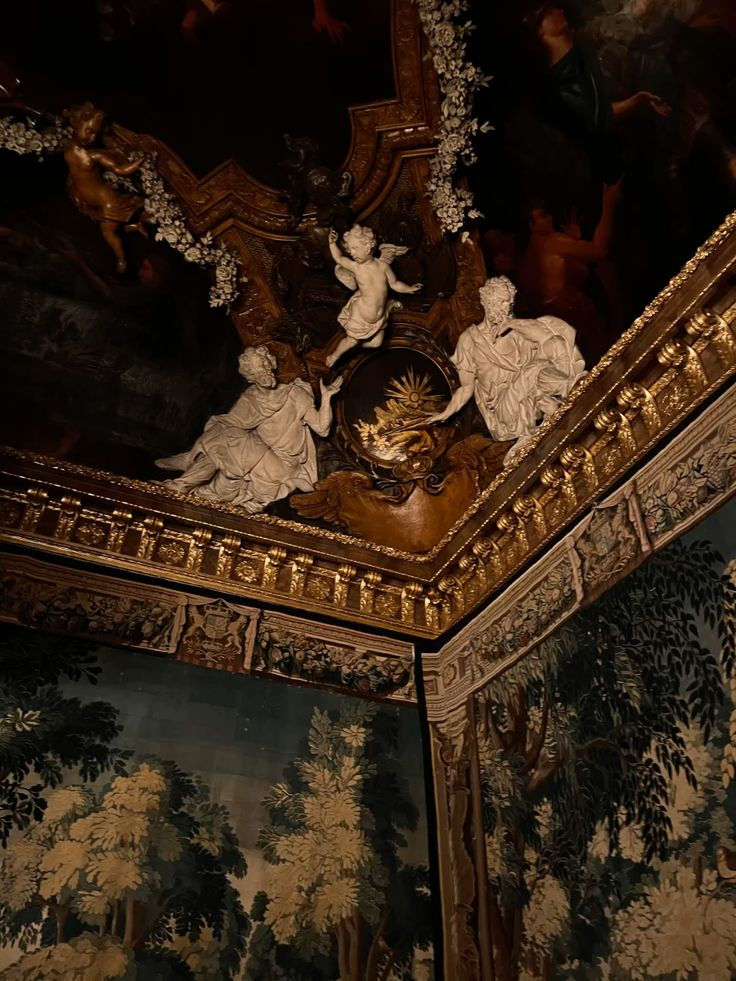
We see the finished ecosystem — the bestselling author with the beautiful Substack, the podcast, the merchandise line, the touring schedule, the cinematic YouTube channel, the thriving Patreon community, the special editions, the collaborations, the live events. What we do not see are the years in which only one or two of those things existed at all.
Because creative brands, much like fictional worlds, collapse under too much simultaneous construction.
There is a peculiar grief that comes with being ambitious in the Internet age. The modern creative can see every possible future version of themselves all at once. Every tab remains open in the mind at all times. The clothing line. The short film. The podcast. The serialized fiction project. The illustrated special editions. The gallery show. The game. The tour. The café. The immersive experience. And because all of it feels emotionally real already, creatives often mistake vision for obligation.
They begin trying to build the cathedral before laying the foundation.
But the artists who endure — the ones still creating five, ten, fifteen years later — tend to understand something those who quit were never fully able to grasp. They understand that careers are ecosystems. And ecosystems grow in layers.
First the roots.
Then the structure.
Then the expansion.
Then the atmosphere.
The irony is that creativity itself resists compartmentalization. A novelist may suddenly become obsessed with cinematography. A fantasy author may fall in love with textile design, music composition, or event production because all storytelling disciplines naturally bleed into one another. The desire to explore multiple mediums is not evidence of distraction. It is often evidence of artistic evolution.
The problem is not having many dreams. The problem is demanding all of them materialize at the same speed.

There is a difference between building slowly and failing to grow. The internet often conflates the two because digital culture rewards visible acceleration over invisible infrastructure. Yet some of the strongest creative brands are built almost invisibly at first. Quietly. Patiently. Through consistency that appears unimpressive day to day but becomes undeniable over years.
A newsletter with fifty readers becomes five thousand. A tiny Discord becomes a devoted community. One self-published novella becomes an imprint. A single mood board becomes an aesthetic language people recognize instantly.
Brand-building in 2026 is less about becoming everything overnight and more about allowing audiences to grow alongside you in real time.
This is why patience has become a radical act for creatives — the willingness to keep laying bricks even while the final castle exists only in your imagination.
The most compelling creative brands today do not feel manufactured. They feel accumulated. Layered. Lived in. They carry the texture of years spent refining taste, voice, visual identity, community, and emotional atmosphere. And perhaps most importantly, modern audiences can feel the difference between expansion that emerged organically and expansion fueled by panic.
The creator trying to launch a podcast, merchandise line, paid course, Patreon, YouTube series, livestream schedule, novel, and subscription box simultaneously often does not create abundance. They create fragmentation. Audiences struggle to understand where to look. The creator themselves becomes stretched so thin that every project receives only fractions of genuine attention, which is part of the mistake I felt I was making during the earliest months of building the Atelier. Everything felt fragmented and directionless, and I knew it was time to slow down.

In my experience, the creators quietly building one pillar at a time often appear slower in the short term but become nearly impossible to uproot in the long term, because sustainable brands are not built through velocity alone.
They are built through coherence.
The future of creative work may belong not to those who move the fastest, but to those willing to cultivate depth before scale. To create worlds rather than simply content. To understand that a career can unfold in seasons.
One season for visibility. One for mastery. One for experimentation. One for community. One for expansion.
There is no prize for arriving at every version of yourself prematurely.
The internet will continue insisting otherwise, of course. It will continue presenting fully formed creative empires with the timelines edited out. But behind nearly every “overnight success” lies years of invisible architecture — quiet drafts, abandoned experiments, tiny audiences, failed launches, evolving aesthetics, and long stretches where the dream looked much smaller than it eventually became.
The goal, perhaps, is not to rush toward becoming a creative empire overnight. It is to build something sturdy enough that your future selves still have somewhere beautiful to arrive.

Comments